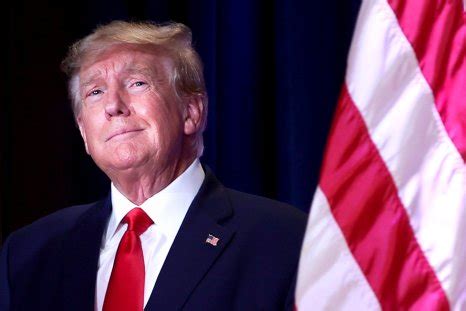
Trump Declares Strikes on Iran Nuclear SitesPresident Donald Trump’s declaration of strikes on Iranian nuclear sites has sent shockwaves across the globe, immediately escalating already simmering tensions in the Middle East and beyond. This
momentous announcement
, delivered with a tone of resolve, signifies a pivotal shift in international relations and could redefine the geopolitical landscape for years to come.
Guys
, let’s be real, when
Trump announces strikes on nuclear sites in Iran
, it’s not just a headline; it’s a potential turning point that demands our full attention and a deep dive into its multifaceted implications. The implications of
Trump's declaration
are immense, sparking immediate concern among allies and adversaries alike. The decision to target Iran’s nuclear infrastructure, specifically those sites believed to be central to its atomic program, signals a decisive and aggressive stance by the U.S. administration. This move comes after years of heightened rhetoric, sanctions, and diplomatic stalemates, culminating in what many see as a dramatic escalation. The world is now watching with bated breath, wondering what comes next.Will this action successfully neutralize Iran’s nuclear capabilities, or will it provoke a broader conflict? The initial reactions have been, predictably, varied. While some within the U.S. and allied nations may view this as a necessary measure to prevent Iran from acquiring nuclear weapons, others are deeply worried about the
unintended consequences
and the potential for a catastrophic regional war. The economic repercussions alone could be severe, impacting global oil markets and disrupting international trade routes. Furthermore, the humanitarian cost of any extended conflict is a nightmare scenario that no one wants to envision. This announcement isn’t just about bombs and targets; it’s about the intricate web of alliances, rivalries, and economic interests that define our modern world. It forces every nation to reconsider its position and prepare for an uncertain future. The decision by
Trump to declare strikes on Iranian nuclear sites
is a game-changer, plain and simple, and it’s imperative that we understand the gravity of the situation and the potential paths forward from here. The sheer weight of this announcement cannot be overstated, marking a new chapter in the volatile relationship between the United States and Iran, a chapter that promises to be anything but peaceful.The international community’s response will be crucial in shaping the aftermath. Will there be a united front to de-escalate, or will nations take sides, deepening the divides? This is a truly
unprecedented moment
in modern geopolitics, a high-stakes gamble with global stability hanging in the balance. The immediate future holds a mix of urgent diplomatic efforts, military posturing, and perhaps, further unforeseen actions. It’s a complex tapestry of power plays, and everyone is trying to figure out their next move. Ultimately, the success or failure of
Trump's decision to strike Iran's nuclear sites
will be judged by its long-term impact on global peace and security. This is not just news; it’s history in the making, and we all have a front-row seat.## The Background: Iran’s Nuclear Program and International TensionsTo truly grasp the significance of
Trump's decision to strike Iran's nuclear sites
, we need to rewind a bit and understand the long, convoluted history of
Iran's nuclear ambitions
and the international efforts to contain them.
Guys
, this isn’t a new story; it’s a saga that has played out over decades, filled with clandestine operations, diplomatic breakthroughs, and crushing sanctions. Iran’s pursuit of nuclear technology dates back to the Shah’s era, but it gained serious international scrutiny in the early 2000s when revelations emerged about its undeclared nuclear facilities and activities, particularly its uranium enrichment program. This discovery ignited fears that Iran was secretly developing nuclear weapons, despite its consistent claims that its program was purely for peaceful energy purposes. The international community, led by the United Nations Security Council, responded with a series of escalating sanctions designed to pressure Tehran into compliance.Efforts to resolve the Iranian nuclear issue diplomatically intensified over the years, culminating in the landmark 2015 agreement known as the Joint Comprehensive Plan of Action (JCPOA), often referred to as the
Iran nuclear deal
. This agreement, negotiated by Iran and the P5+1 (the United States, United Kingdom, France, China, Russia, plus Germany), was designed to ensure that Iran’s nuclear program would be exclusively peaceful in exchange for the lifting of international sanctions. Under the JCPOA, Iran agreed to significant restrictions on its enrichment capacity, a redesign of its Arak heavy water reactor, and an unprecedented inspection regime by the International Atomic Energy Agency (IAEA). In return, the UN, U.S., and EU sanctions related to its nuclear program were lifted, opening up Iran’s economy to the world.However, the
JCPOA
was always a contentious agreement, particularly in the United States. Critics argued that it didn’t go far enough to prevent Iran from eventually developing nuclear weapons, that it failed to address Iran’s ballistic missile program, and that it didn’t curb Iran’s destabilizing activities in the Middle East. President Trump, a staunch critic of the deal, repeatedly called it the
